Posts

Modified Assignments for Students with Disabilities (Real Classroom Examples)

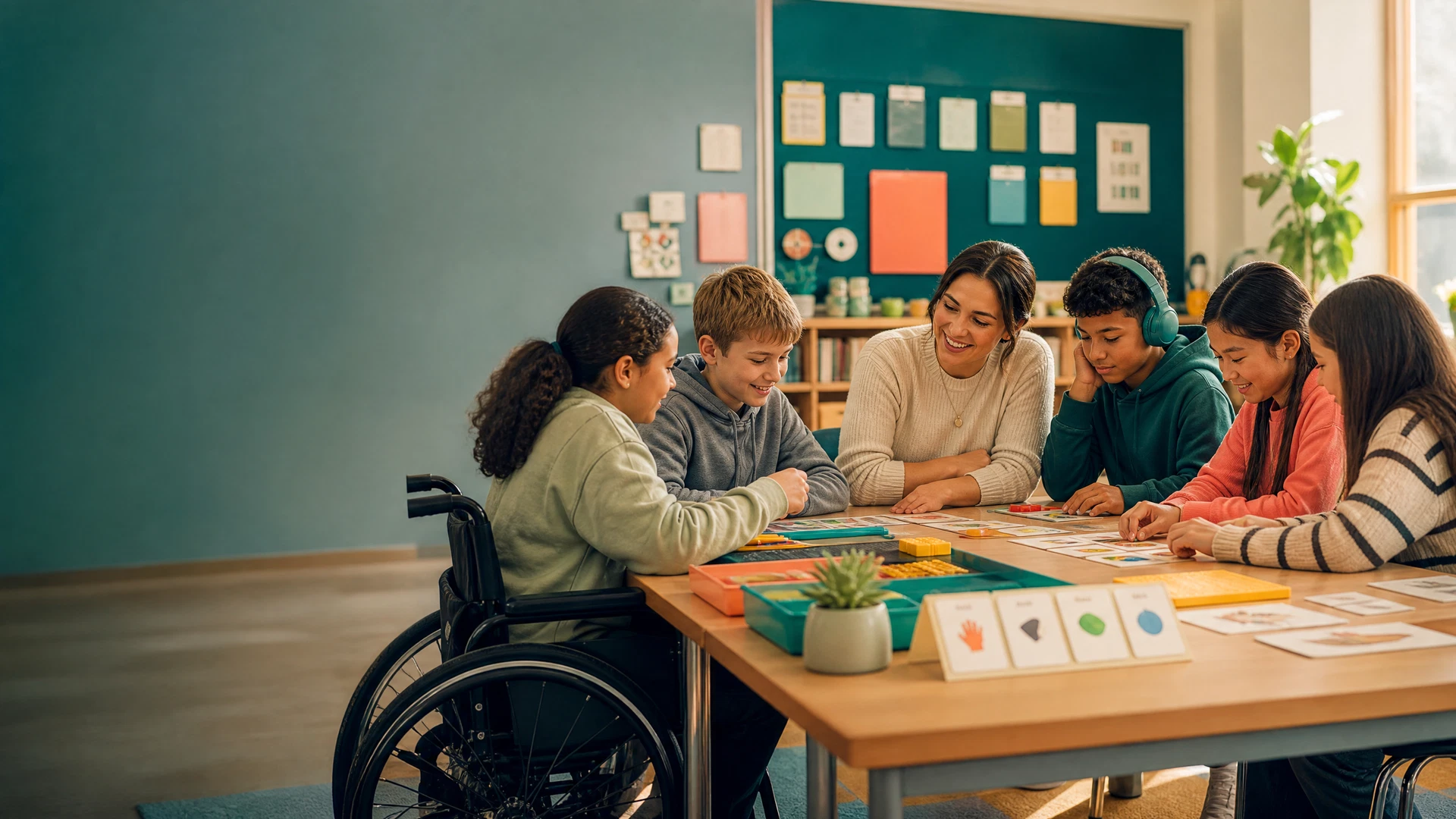
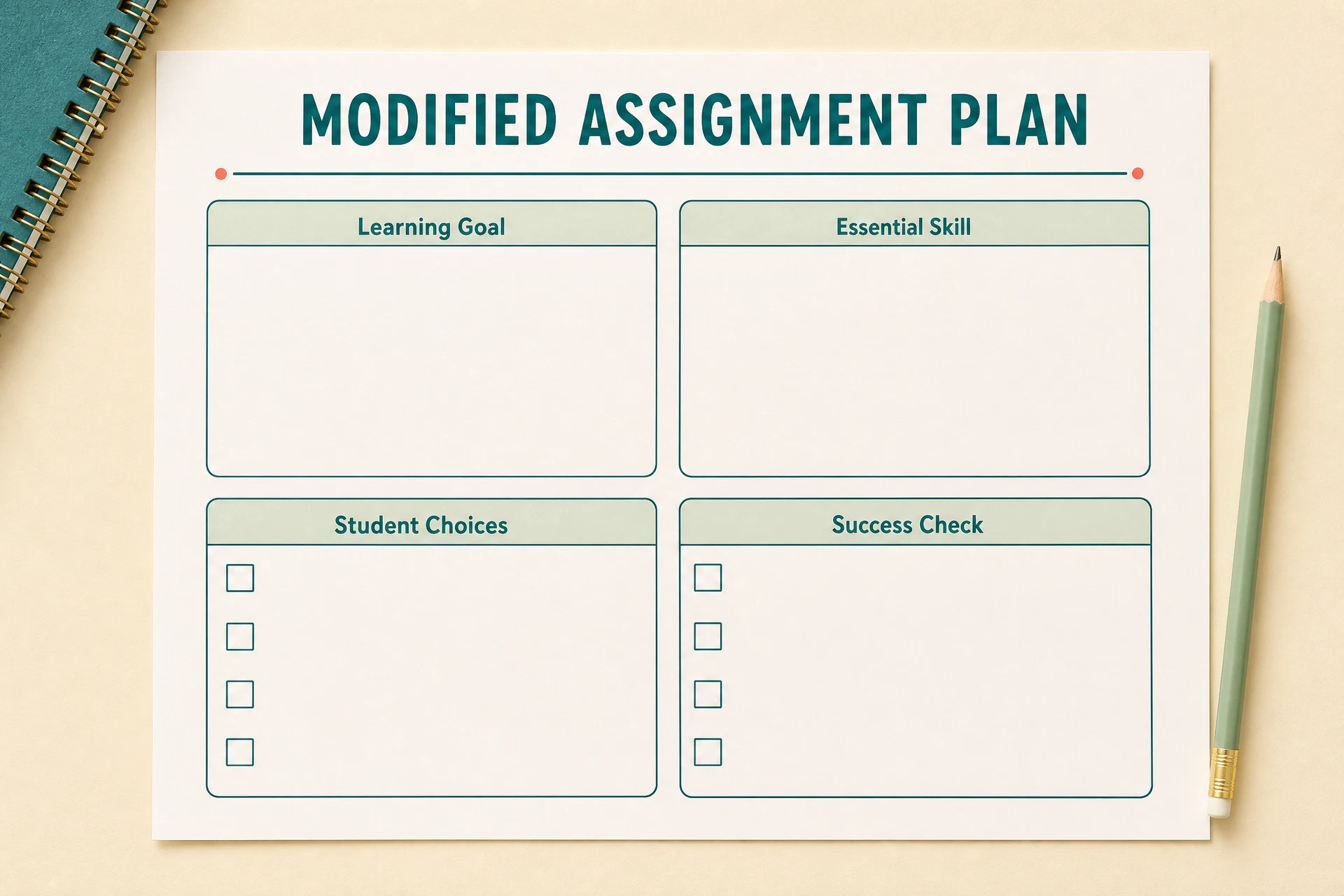
T eachers ask me all the time: “How do I teach a student who is working 3 or 4 grade-levels below the rest of the class?" One of the most effective ways to make that happen is through curriculum modifications . Providing curriuclum modifications can help a student access the most important part of the lesson in a way that fits their current learning needs . Below you’ll find real examples of modified classwork and homework that help students with disabilities participate meaningfully, show what they know, and experience success. A modified lesson isn’t about lowering expectations or watering down the content. Instead, it’s about adjusting the objective and/or learning materials so that students with unique learning needs can successfully participate and show what they know. The core concept or classroom activity remains the same, giving all students the opportunity to explore the same idea, work alongside peers, and contribute meaningfully in ways that reflect their individ...
Recent posts

Using AI to Modify Curriculum for Students with Disabilities: A Guide for Teachers and Families

In today's diverse classrooms, creating truly inclusive educational materials can be challenging. Artificial intelligence offers powerful tools to help modify and adapt curriculum resources to meet the unique needs of all learners. This guide will walk you through practical ways to leverage AI for inclusive education. Why Use AI for Making Curriculum Modifications? AI tools can help you: Save significant time on adaptations and differentiation Create multiple versions of materials for different learning needs Ensure consistent quality across modifications Address specific accessibility requirements efficiently Step-by-Step Guide to Using AI for Curriculum Modifications 1. Identify the Learning Barriers in Your Materials Before using AI, assess your current materials: Which elements might create barriers for certain students? What modifications would make the content more accessible? Which students need what specific adaptations?

How Inclusive is Your Classroom?

Classroom Inclusivity Assessment Question 1 of 12 Previous Next View Results

Transform Your Teaching with Expert Support Services

Are you looking to create more inclusive learning environments in your school or organization? Do the teachers in your district need a mentor, coach, or thought-partner to guide their inclusive practice?  Nicole Eredics, M.Ed. (Special Education), is a Board Certified Inclusion Specialist with a wealth of experience as a full inclusion classroom teacher. She offers customized support through virtual and live events, one-to-one mentoring, and professional training sessions. Nicole provides educators with practical, research-based strategies and tools that can be implemented immediately to foster inclusion.  Let Nicole help you transform your practice  with proven methods that promote an inclusive, supportive learning experience for all students. Visit  www.nicoleeredics.com  to find out how you can work with Nicole.

Unlocking Achievement Through Curriculum Modifications: A Path to Inclusive Education

Curriculum modifications play a pivotal role in ensuring that every student, regardless of their unique needs and abilities, has the opportunity to thrive academically and socially. In an educational landscape that seeks to foster inclusivity, equity, and individualized learning, understanding and implementing curriculum modifications have never been more critical. 

Curriculum Modifications and Teacher "Buy-In"

Curriculum modifications play an essential role in the academic and social/emotional success of students with intellectual disabilities. With students who have disabilities spending more time in the general education classroom, general education teaching practices need to evolve to include adapting and modifying curriculum so it is accessible and achievable.  So, how can administrators and special education teachers help staff make the successful transition to creating accessible and achieveable lessons for all?

Three Lessons Learned About Inclusion From My Marathon Journey

Author, blogger, and cerebral palsy (CP) advocate, Zachary Fenell, is back on our blog with a story about inclusion and a marthon. Read below to find out how the two intersected and changed Zachary's life in ways in couldn't have imagined. For the full story, check out Zachary's new book, Slow and Cerebral. Discussi ng inclusion proves important. Through such discussion we learn from each other. Gathering ideas which will help inclusion thrive. Exactly why I approached Nicole and asked about providing a new guest post for The Inclusive Class blog.  A lot has happened since  my last gu est post , published nearly a decade ago. Nearly a decade? Wow! Where the heck does the time go? Anyway, amongst those prior mentioned happenings, one in-particular stands out to me. I accomplished a feat that nearly a decade ago I deemed “unreasonable.” Becoming a marathoner.

The Effects of Presuming Competence

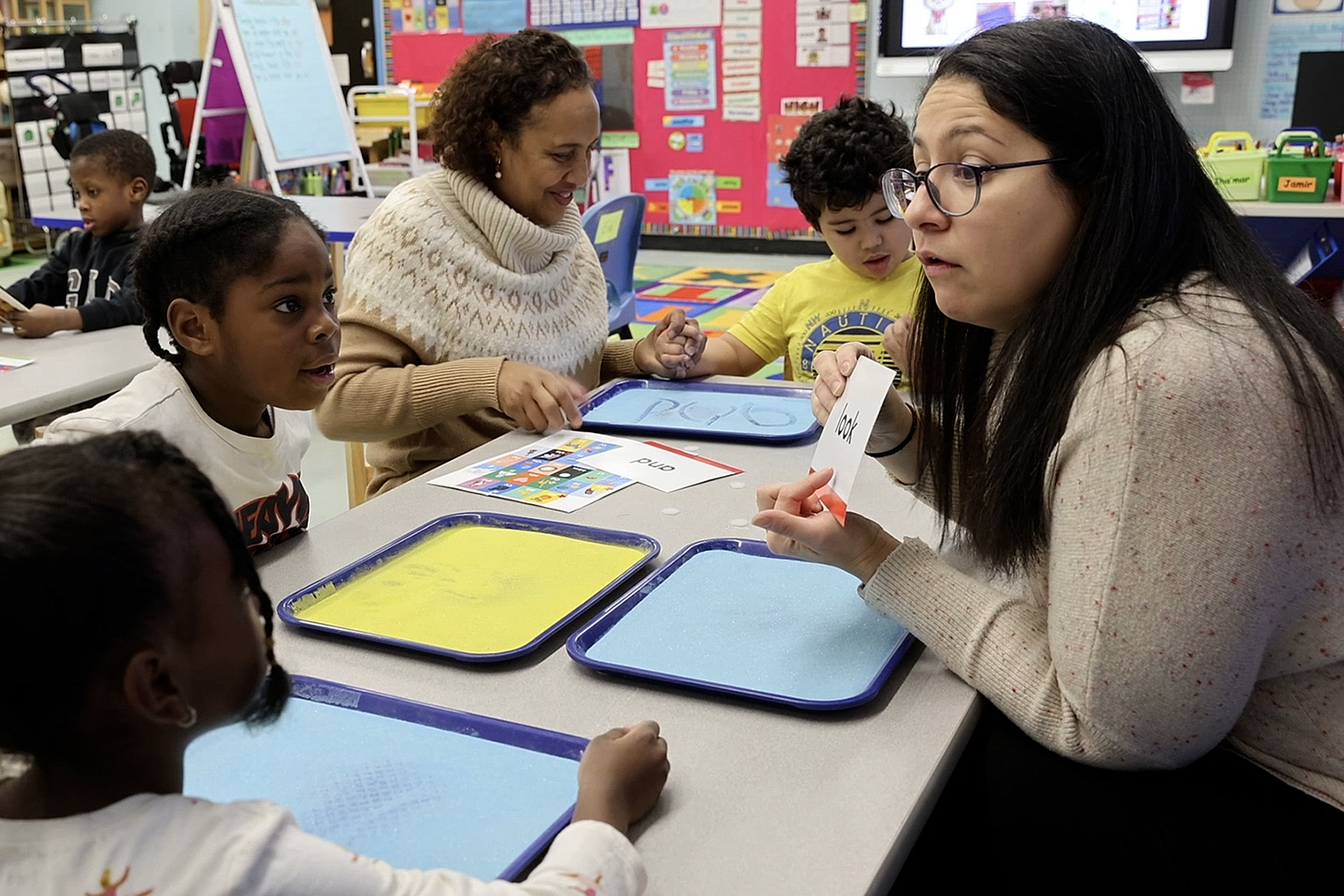
Ms. B is a teacher at XYZ Middle School. She has 32 students of various abilities in her class, including a student with intellectual disabilities. The student with intellectual disabilities has the support of a paraprofessional who facilitates access to the curriculum. Ms. B is about to plan for an upcoming unit on plants. The grade-level learning outcomes require students to understand the structure of plants and plant biology.  She wonders if the topic and content will be too challenging for her student with intellectual disabilities to understand. Ms. B is concerned that the student will become overwhelmed and frustrated when presented with such a complex topic. Should she plan for the student to work with a list of science vocabulary words that were targeted for review in a recent assessment or should she plan to modify the unit lessons for the the student so they can participate in the class lessons and learn the same new concepts as their peers? Ms. B wonders what to do....